-
-
84 Hotham Street, Preston Vic 3072
Aged-Care-Cleaning
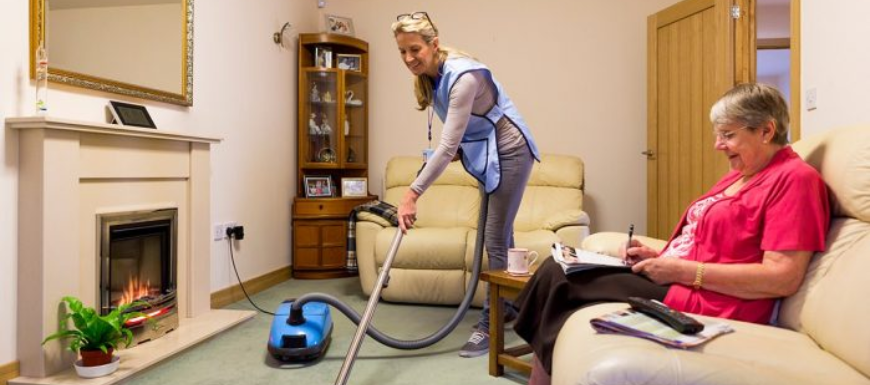
Aged Care Cleaning Services
At Cleanzil, we understand the importance of maintaining a hygienic and safe environment for elderly residents. Our aged care cleaning services are designed to meet the highest standards of cleanliness, infection control, and comfort in nursing homes, retirement villages, and assisted living facilities.
With our experienced team, hospital-grade disinfectants, and compassionate approach, we create clean, healthy spaces where residents, visitors, and staff feel safe and cared for.
Why Choose Our Aged Care Cleaning?
We specialize in cleaning environments where health and safety are critical. Here’s why aged care facilities across Melbourne trust Cleanzil:

Infection control & sanitization protocols
Compassionate cleaners trained for aged care
Regular disinfection of common areas & high-touch surfaces
Safe, eco-friendly & hospital-grade cleaning products
Flexible daily, weekly, or emergency cleaning schedules
25+ years of healthcare and aged care cleaning experience
Resident Rooms & Common Areas
We ensure resident rooms, lounges, dining halls, and activity spaces remain clean, disinfected, and welcoming at all times.
Medical & High-Risk Areas
Our team follows strict hygiene practices for medical rooms, washrooms, and high-touch surfaces to minimize infection risks.
Do you provide infection control cleaning?
Yes, we use hospital-grade disinfectants and infection control protocols tailored for aged care environments.
Are your cleaners trained for aged care facilities?
Absolutely. Our staff are specifically trained to work in aged care settings with a focus on compassion and resident safety.
Do you offer flexible cleaning schedules?
Yes, we provide daily, weekly, and emergency cleaning services to meet the needs of aged care facilities without disruption.
What areas do you clean in aged care facilities?
We clean resident rooms, hallways, dining areas, kitchens, lounges, washrooms, medical rooms, and high-risk areas.
.svg)